Spring Bass Fishing The Dormant Milfoil Patches
It can be tough finding fish in the spring but once you do you can turn a day of nothing into a day of 10 fish on 10 casts. The trick is to find any kind of weed patches left over from the previous summer. My home lake went through a chemical treatment a few years ago to eradicate eurasian milfoil. 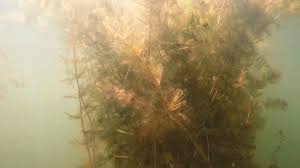 Although the need to get rid of such an aggressively spreading non-native invasive species is the right call, it can also kill off much of the native vegetation that used to hold fish. The once mighty weed flats have turned into barren sand flats making it difficult to key in on fish that used to hold there. No matter how much treatment you do to a lake some of those milfoil patches will be left over. We tend to look for the first emergent weeds that are healthy and green but don’t look past the dead looking chucks of milfoil. Those ugly patches act as important structure for predatory fish to use as ambush points. Next time you are out on the lake on a calm sunny day, drive around the lake and make note of these patches. Slowly creep up on all of these and you will find the potential for a great pay day.
 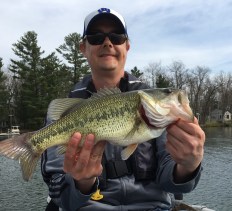 Walleye, bass and pike will stack up in numbers and hold together on these spots waiting for anything to pounce on. If you stick around long enough you’re bound to see a musky or two hanging around for a quick meal. Have rods rigged up with swim baits, rippin’ raps, husky jerks, and swim jigs tipped with a plastic craw. Cast a new lure after each catch and repeat mixing it up. I find the best water temperature is around 55 degrees. Bass are looking to fatten up before moving out of these spots to start their spawning period. Depending on the weather in the spring you may have a one or two week window as a warm spring will raise water temperatures fast and shorten the window of opportunity.
 Cloverleaf Anglers Guide Services